
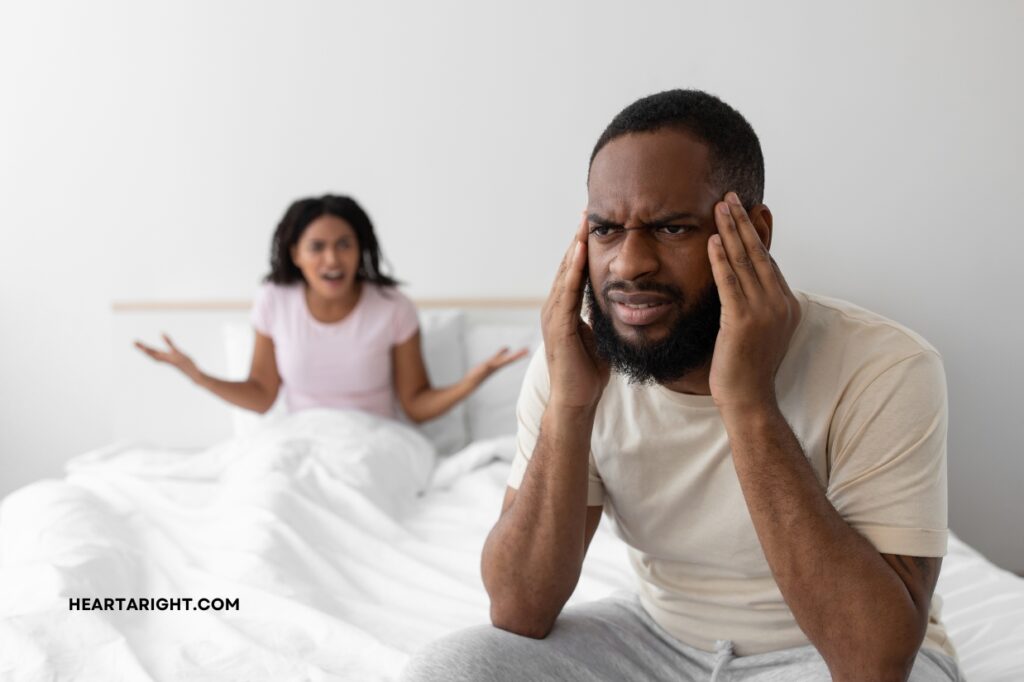

Being in an abusive relationship is like being trapped in a cycle of sadness and uncertainty that has no end. The signs can be insignificant, but they tell badly about your mental and emotional well-being.
You may feel like you’re constantly walking on eggshells, unsure of how your partner will react to the tiniest actions or words.
This constant tension can make everyday life exhausting and stressful.
Abuse often begins with subtle control tactics that gradually escalate. You might experience emotional manipulation, such as guilt-tripping or constant criticism, which can slowly affect your self-esteem.
If not stopped, these behaviours can make you feel worthless, isolated, and unsure of your reality. The abuser might gaslight you, and this may keep you off balance.
In an abusive relationship, you may also find that your partner tries to isolate you from friends and family.
This isolation makes it harder for you to seek support and increases your dependence on the abuser. You might be cut off from your support network, making you feel even more trapped and alone.
Physical abuse might involve anything from hitting and pushing to more severe forms of violence.
Even if physical abuse isn’t present, the emotional and psychological impact can be equally damaging, leaving you feeling anxious, depressed, and powerless.
Understanding that you are in an abusive relationship can be a difficult realization. It takes the knowledge that the behaviours and patterns you’ve been experiencing are not normal or acceptable.
This recognition can be overwhelming but is important for seeking help and making positive changes in your life.
This post will take you through five questions to ask yourself to know if you are in an abusive relationship.
Contents
- 1 1. Do I Feel Fearful or Anxious About My Partner’s Reactions?
- 2 2. Does My Partner Criticize or Belittle Me Frequently?
- 3 3. Am I Often Isolated from Friends and Family?
- 4 4. Do I Feel Like I Have to Constantly Walk on Eggshells Around My Partner?
- 5 5. Have I Experienced Emotional Ups and Downs That Seem Different From Normal Relationships?
- 6 Conclusion
1. Do I Feel Fearful or Anxious About My Partner’s Reactions?
One of the questions to ask yourself to know if you are in an abusive relationship is “Do I feel fearful or anxious about my partner’s reactions?” If you find yourself constantly worried about how your partner will react to your actions, words, or even your mere presence, it could be a significant red flag.
This fear and anxiety about your partner’s moods or responses can be more than just occasional discomfort; it may mean intimidation or control within the relationship.
In a healthy relationship, you should feel safe and comfortable expressing yourself without the fear of negative consequences.
However, if you’re frequently anxious about setting off a reaction, it might mean that your partner uses intimidation to control you.
This could be explosive anger, passive-aggressive behaviour, or even unspoken threats that make you feel you need to tread carefully to avoid conflict.
This can be exhausting and damaging to your mental well-being. It can make you feel like you’re walking on eggshells, always trying to predict and manage your partner’s emotional state.
2. Does My Partner Criticize or Belittle Me Frequently?
If you often find yourself on the receiving end of harsh criticism or belittling comments from your partner, this is a serious concern.
Frequent criticism and derogatory comments are not just occasional disagreements or moments of frustration; they can be clear signs of emotional abuse.
Consistent criticism and belittling can negatively affect your self-esteem and sense of worth.
When a partner regularly puts you down, makes negative comments about your abilities, or undermines your achievements, it can make you feel inadequate and unworthy.
This unending negativity will weaken your confidence and self-belief, creating a power imbalance in the relationship.
You might start to believe the negative things being said about you, which can affect every aspect of your life, from how you see yourself to how you interact with others.
3. Am I Often Isolated from Friends and Family?
If you notice that you’re cut off from your friends and family, it’s a serious warning sign that you might be in an abusive relationship.
Abusers often use isolation as a tactic to have more control over their victims. By pushing you away from your support systems, they make you more dependent on them and less likely to need the help of others.
Isolation can start with your partner discouraging you from spending time with friends or family, criticising your loved ones, or creating conflicts that make it difficult for you to see them.
Over time, you will begin to spend less time with those who care about you, and this makes you feel alone and vulnerable. Now, they are the centre of your world.
The goal of this isolation is to make you more reliant on your abuser for emotional support and validation.
Without a strong support system, it becomes harder to see the full scope of the abuse and to find the strength to leave the relationship.
Your partner may also use this isolation to make you doubt your perceptions and increase your dependence on their version of reality.
If you find yourself being isolated, it’s important to reach out and reconnect with your loved ones, even if it feels challenging.
4. Do I Feel Like I Have to Constantly Walk on Eggshells Around My Partner?
If you feel like you’re always walking on eggshells around your partner, it shows that their behaviour is controlling and oppressive.
When you’re in this situation, you might find yourself constantly anxious about saying or doing the wrong thing, worried that even minor actions or words could trigger anger or negative responses.
Walking on eggshells often means that your partner’s mood or reactions are unpredictable and intimidating.
This makes you continually try to manage their emotions to avoid conflict, even though you are not at fault, and can’t tell exactly what their problem is.
In such a relationship, your behaviour is closely monitored and controlled. You might be subjected to unreasonable expectations or demands, and your partner may use fear or intimidation to keep you in line.
This behaviour makes you feel as though you must always conform to their preferences or avoid upsetting them at all costs.
Living in this kind of environment stifles your ability to express yourself freely and undermines your sense of self.
5. Have I Experienced Emotional Ups and Downs That Seem Different From Normal Relationships?
When you are experiencing intense emotional highs and lows that don’t seem to fit with the normal ebb and flow of a healthy relationship, it could be a sign of manipulative or abusive behaviour.
Emotional instability, where you’re frequently swinging between feeling elated and deeply upset, often shows underlying issues in the relationship.
In a healthy relationship, emotional responses should be relatively balanced and predictable.
However, in an abusive relationship, your partner might engage in behaviours that create dramatic shifts in your emotions.
For example, they may alternate between affectionate and cold, or supportive and critical, and this makes you feel confused and unstable.
This strategy, known as “emotional rollercoaster,” is common, and it is used by abusers to keep you off balance and make you depend on them.
You might find yourself celebrating small moments of affection or approval, only to be thrown into despair by sudden outbursts or negative behaviour from your partner.
This instability can make you question your emotions and responses, as the shifts in your partner’s behaviour can feel unpredictable and irrational.
Experiencing such emotional turbulence is not just about relationship conflict; it often indicates a pattern of manipulation and control.
Abusers use these dramatic emotional shifts to destabilize their partner’s reality and self-worth, making it harder for them to notice the unhealthy behaviour at play.
Conclusion
Understanding whether you’re in an abusive relationship can be a difficult and eye-opening process.
By reflecting on the questions we’ve discussed, you may have more knowledge of your situation.
If you find that these patterns resonate with your experiences, it’s important to acknowledge the reality of the situation.
Take the time to seek support, explore your options, and prioritize your well-being.
Your happiness and health are important, and you have the power to make choices that lead to a healthier, more fulfilling life.


